
Quick Answer: Bluetooth LE Audio and Auracast are next-generation wireless technologies that let hearing aids receive audio directly from TVs, public venues, airports and more with less pairing hassle, often without needing to borrow special venue equipment, and with better sound quality and longer battery life than ever before. Most of the hearing aid brands we fit at Hearing Sense are already Auracast-ready.
Imagine walking into Adelaide Oval for a match and hearing the commentary crystal-clear, streamed directly into your hearing aids. Or sitting in a hospital waiting room and actually hearing the TV without asking anyone to turn it up. Or catching every word of a guided tour at the South Australian Museum without straining over crowd noise.
That’s not a far-off fantasy. It’s happening right now, thanks to two exciting technologies called Bluetooth LE Audio and Auracast.
At Hearing Sense, we’re genuinely excited about what this means for our patients across Adelaide. Kelly-Mare Korcek, our Senior Audiologist with over 25 years’ experience, puts it simply: “This is one of the most meaningful leaps in hearing aid connectivity we’ve seen. It’s not just about better sound, it’s about giving people access to the world around them in ways that weren’t possible before.”
Let’s break it all down: what these technologies actually are, which hearing aids support them, and what it means for you.
Contents
- 1 What Is Bluetooth LE Audio?
- 2 What Is Auracast?
- 3 Why Does This Matter for Hearing Aid Wearers?
- 4 Which Hearing Aids Support LE Audio and Auracast?
- 5 What About Hearing Loops and Telecoil?
- 6 Should I Upgrade My Hearing Aids for Auracast?
- 7 Frequently Asked Questions About LE Audio and Auracast
- 7.1 What is the difference between Bluetooth LE Audio and Auracast?
- 7.2 Will my current hearing aids work with Auracast?
- 7.3 Is Auracast available in Adelaide yet?
- 7.4 Does Auracast replace hearing loops?
- 7.5 Will Auracast drain my hearing aid batteries faster?
- 7.6 Do I need a smartphone to use Auracast?
- 7.7 Can I share audio with family members using Auracast?
- 8 The Future Sounds Bright
What Is Bluetooth LE Audio?
You probably already use Bluetooth every day, whether that’s streaming music, taking phone calls, or connecting your hearing aids to your smartphone. Bluetooth LE Audio (Low Energy Audio) is the next generation of that technology, and it’s a genuine step up from what’s come before.
Here’s what makes it different:
Better sound quality with less power. LE Audio uses a new audio codec called LC3, which compresses audio more efficiently than previous Bluetooth standards. The result? Clearer, richer sound that uses less battery. For hearing aid wearers, that’s a big deal. It means you can stream audio throughout the day without worrying about your hearing aids running flat by dinnertime.
Lower latency. Latency is the tiny delay between sound being sent and you hearing it. With LE Audio, that delay is significantly reduced compared to classic Bluetooth in many implementations, which helps with TV lip-sync and makes phone conversations feel more natural.
More reliable connections. We’ve all experienced Bluetooth audio dropping out at the worst moment. Mid-conversation, during a favourite song, or right when someone’s giving directions. LE Audio connections are designed to be more stable and consistent, which makes everyday streaming a much smoother experience.
Improved support for hands-free calling. Many LE Audio hearing aids now support two-way audio on compatible phones and computers, helping enable more natural, hands-free phone calls where your hearing aid microphones pick up your voice.
What Is Auracast?
If LE Audio is the engine, Auracast is the superpower it unlocks.
Auracast is a broadcast audio feature built into Bluetooth LE Audio that lets a single audio source (like a TV, a PA system, or a microphone) stream sound to many compatible devices at once. No traditional one-to-one pairing required, and in many cases no need to borrow dedicated venue receivers. You simply “tune in” to the audio stream, much like connecting to a Wi-Fi network via an app on your own device.
Here’s where it gets really exciting for hearing aid wearers.
How does Auracast work in practice?

Picture this: you walk into a venue that has an Auracast transmitter (like an airport) connected to its sound system. On your smartphone (or through your hearing aid app), you’ll see available Auracast streams, similar to how you’d see available Wi-Fi networks. You select the one you want, and the audio streams directly into your hearing aids.
Some venues will also offer QR codes you can scan or physical buttons you can press on dedicated receivers to connect. It’s designed to be intuitive, accessible, and (importantly) discreet. No one needs to know you’re using assistive listening technology. You’re simply enjoying clear, direct audio like everyone else.
Where will Auracast be available?
The rollout is already underway, both globally and here in Australia. Some of the venues and organisations already using Auracast-enabled systems include:
The Sydney Opera House – the first major cultural venue in the world to implement Auracast broadcast audio for live performances, currently installed in spaces such as the Drama Theatre, Playhouse and Studio.
The University of Queensland – has installed Auracast transmitters in 65 lecture theatres across its campuses to improve accessibility for students with hearing loss.
Internationally, venues like St. Paul’s Cathedral in London, the Santa Fe Opera in the US, and cruise lines such as Disney are beginning to implement Auracast-based assisted listening solutions.
Industry forecasts suggest that by 2029, over 1.5 million venues worldwide could deploy Auracast systems, and more than 3 billion devices may ship with LE Audio capability.
For Adelaide, this means it’s only a matter of time before you’ll see Auracast available at places like airports, theatres, churches, sporting venues, conference centres, hospitals, and more.
Why Does This Matter for Hearing Aid Wearers?

Let’s be honest: hearing in public spaces has always been one of the biggest challenges for people with hearing loss. Background noise, poor acoustics, distance from the speaker… these are everyday frustrations that can make social situations exhausting.
Auracast has the potential to change that fundamentally. Here’s how:
Airports and transport hubs: Hear gate announcements and platform information directly in your hearing aids, even in noisy terminals.
Theatres and cinemas: Stream the performance audio directly, often without needing to borrow a special headset or sit in a specific seat, as more venues adopt Auracast.
Places of worship: Hear the sermon clearly from any pew, alongside or in addition to existing hearing loop or FM systems.
Waiting rooms and gyms: Finally hear that muted TV you’ve been watching with subtitles (or just guessing at!).
Museums and tours: Receive tour guide audio directly in your ears, potentially even in different languages where supported.
One thing we love about Auracast is the dignity and independence it offers. Instead of asking for special equipment or drawing attention to your hearing needs, you simply connect with your own devices, quietly and on your own terms.
Which Hearing Aids Support LE Audio and Auracast?
This is one of the questions we’re asked most often at our Norwood,Unley and Salisbury clinics, and the good news is that many of the brands we fit at Hearing Sense are already on board in some way, either fully Auracast-enabled or clearly Auracast-ready.
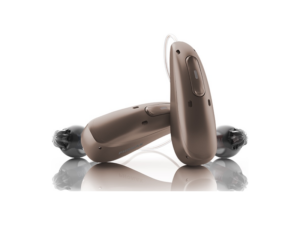
Oticon Intent hearing aids feature LE Audio with future Auracast capability, combining it with advanced AI-powered sound processing. The newer Oticon Zeal, an invisible-style hearing aid, also uses this newer Bluetooth platform, making it an impressive tiny device that is prepared for upcoming broadcast technologies.
Starkey Edge AI and the newer Omega AI hearing aids integrate Bluetooth LE Audio and are described as Auracast-ready, pairing next-generation connectivity with their AI noise reduction.
Phonak Infinio hearing aids include Bluetooth 5.3 connectivity and are positioned as “Auracast-ready” for future activation. It’s worth noting that Phonak also continues to develop their excellent Roger system, which provides proven remote microphone performance right now. That makes it a great option for people who need reliable speech-in-noise support today while Auracast infrastructure continues to grow.
Widex Allure features LE Audio and is Auracast-ready, with direct Auracast streaming expected to arrive via a future firmware update.
Unitron Reach includes the latest Bluetooth hardware for LE Audio and is expected to support Auracast with software updates as the ecosystem matures.
Signia IX hearing aids are Auracast-ready, meaning the hardware is in place and a firmware update will activate the feature once released.
ReSound was among the first manufacturers to bring Auracast-enabled hearing aids to market. Their Nexia range launched with full Auracast support in many markets, and newer models continue to lead in this space, alongside accessories that can help connect to Auracast broadcasts.
Because Hearing Sense is completely independent (we’re not aligned to any single hearing aid manufacturer) we can help you find the right hearing aid with the connectivity features that matter most to you. Whether that’s full Auracast capability right now in selected models, or a future-ready device that will grow with the technology, we’ll guide you through the options honestly.
What About Hearing Loops and Telecoil?
This is an important question, especially here in Australia where hearing loops (also known as telecoil or T-coil systems) are installed in many public venues, churches, and community spaces and have been for decades.
The short answer: hearing loops aren’t going away anytime soon, and that’s a good thing.
Hearing health advocacy groups across Australia have promoted a dual-technology approach: maintaining existing hearing loop systems while gradually introducing Auracast alongside them. This ensures that nobody is left behind during the transition, particularly older hearing aid wearers whose devices may not support the newer technology.
At Hearing Sense, we agree wholeheartedly with this approach. The best outcome is more options, not fewer. If your current hearing aids have a telecoil, keep using it wherever loops are available. And when it’s time for your next hearing aids, we can make sure you’re set up for both technologies, giving you the widest possible access to assisted listening wherever you go.
Should I Upgrade My Hearing Aids for Auracast?
This is where we always encourage an honest conversation rather than a rush to buy. Here’s how we’d think about it:
If your hearing aids are 4 to 5+ years old and you’re already thinking about your next pair, absolutely. Choosing a model with LE Audio and Auracast capability (or clear Auracast-readiness) makes a lot of sense. You’ll benefit from all the other advances in hearing aid technology too, and you’ll be ready as Auracast venues become more common in Adelaide and across Australia.
If you’ve purchased hearing aids in the last year or two and they’re working well for you, there’s no urgent reason to upgrade just for Auracast. The venue infrastructure is still growing, and your current hearing aids may already support LE Audio or be updatable via firmware. We can check this for you at any of our clinics.
If you’re considering hearing aids for the first time, this is a brilliant time to start. Today’s hearing aids are more capable, more comfortable, and more connected than ever before, and choosing a model with Auracast support or Auracast-ready hardware means you’re investing in technology that will only become more useful over time.
Whatever your situation, Hearing Sense offers free, comprehensive hearing tests at all three of our Adelaide clinics. And because we’re independent, we can trial any brand with a free 30-day trial so you can experience the technology in your own life before committing.
Frequently Asked Questions About LE Audio and Auracast
What is the difference between Bluetooth LE Audio and Auracast?
Bluetooth LE Audio is the underlying technology, a more efficient, higher-quality version of Bluetooth audio. Auracast is a specific feature within LE Audio that enables one-to-many broadcasting. Think of LE Audio as the road, and Auracast as a new type of vehicle that can travel on it.
Will my current hearing aids work with Auracast?
It depends on your model. Give us a call and we can check your specific hearing aids for you.
Is Auracast available in Adelaide yet?
Auracast is still in the early stages of venue rollout in Australia, though the Sydney Opera House and the University of Queensland are already using it in selected spaces. As more venues adopt the technology across the country, including here in South Australia, you’ll start seeing Auracast availability signs and QR codes in public spaces. In the meantime, many LE Audio hearing aids already offer improved Bluetooth streaming for everyday use.
Does Auracast replace hearing loops?
Not right now, and hearing health organisations in Australia recommend keeping both technologies available during the transition. If your hearing aids have a telecoil, continue using hearing loops wherever they’re installed. Auracast is an additional option that will become increasingly useful as more venues adopt it.
Will Auracast drain my hearing aid batteries faster?
Actually, the opposite! LE Audio and the LC3 codec are specifically designed to use less power than traditional Bluetooth, for a given sound quality. This means you should be able to stream audio for longer without worrying about battery life, a significant improvement for all-day hearing aid wearers.
Do I need a smartphone to use Auracast?
In most cases, yes. You’ll typically use your smartphone or hearing aid app to select which Auracast stream you want to listen to, similar to choosing a Wi‑Fi network. Some venues may also offer physical buttons or QR codes, and dedicated receivers for people who do not have compatible personal devices.
Yes. Because Auracast can broadcast to a large number of compatible devices at once, you and your family can all listen to the same audio source (like the TV) at your own preferred volume. It’s also great for sharing music, podcasts, or other audio with friends who have compatible earbuds or hearing aids.
The Future Sounds Bright
We won’t pretend that Auracast is everywhere just yet. The technology is still rolling out, and it will take time before every airport, theatre, and shopping centre in Adelaide is broadcasting. But the direction is clear, and it’s incredibly promising for anyone with hearing loss.
What excites us most at Hearing Sense is the independence and inclusion this technology represents. The idea that you could walk into any public space and simply connect to clear, high-quality audio, without asking for help, without extra equipment, without anyone even knowing… that’s exactly the kind of future we want for our patients.
And in the meantime, today’s LE Audio hearing aids already deliver remarkable improvements in streaming quality, battery life, and connectivity that you can enjoy right now.
If you’d like to know more about LE Audio and Auracast, or if you’re curious about which hearing aids would be the best fit for your lifestyle, we’d love to chat. Book a free hearing test or drop into our Norwood, Unley, or Salisbury clinic anytime. Kelly-Mare and the team are always happy to walk you through the latest technology and help you find the hearing solution that’s genuinely right for you.